Possum Removal — Licensed, Humane & Same-Day
Possum removal by licensed wildlife technicians across Sydney, Melbourne, Brisbane and Perth. We provide same-day humane possum removal, legal trapping, dusk release, and long-term proofing recommendations so the problem is solved properly the first time.
Free Quote
Get a Possum Removed Today
What Is Professional Possum Removal?
Possum removal service means legally trapping, handling, and releasing a possum from your roof, wall cavity, ceiling void, or under-floor space without harming the animal or breaching wildlife law. Our humane possum removal process is handled by licensed technicians working under NPWS, DEECA, DES, and DBCA requirements, so the job is compliant in every state we serve.
That matters because a general pest controller or an unlicensed possum catcher cannot lawfully improvise with wildlife. Possums are protected native animals, and every stage of the job, from trap placement to monitoring and release, has to align with state rules about welfare, distance, timing, and documentation. We also distinguish between the removal itself and the entry-point problem that allowed the animal into the roof in the first place.
Removal alone is not a long-term solution. Once the possum is out, the roof should be assessed for proofing so another animal cannot reclaim the same cavity. Where appropriate, we coordinate that with professional possum proofing and related roof repairs to close the loop properly.
If a possum has died inside your roof or wall cavity, dead possum removal requires urgent professional extraction and decontamination before it creates a serious odour and hygiene problem. After removal, installing a possum nesting box nearby gives the animal a legal alternative den, making it far less likely to attempt re-entry.
If you have found droppings in the roof and want to confirm the species, our possum droppings identification guide covers what to look for. For a complete list of possum in roof signs, read our possum in roof signs guide before booking an inspection.
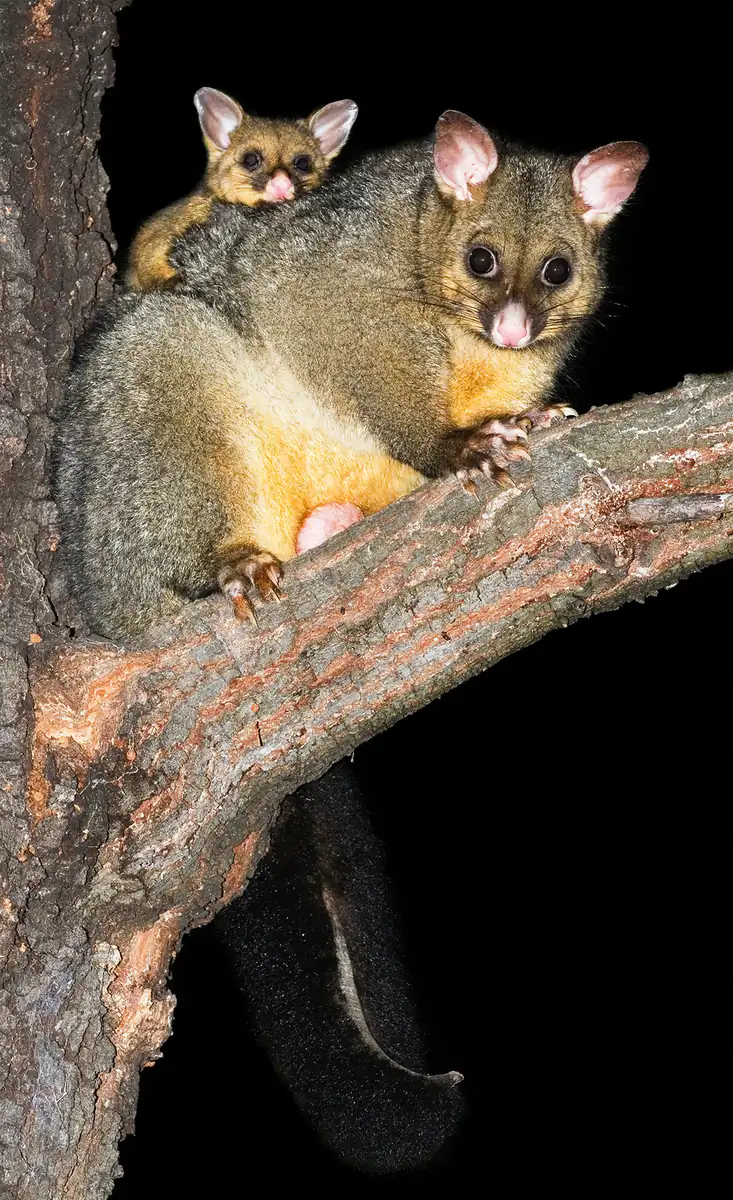
Brushtail vs Ringtail Possum — Why Species Matters for Removal
Brushtail Possum Removal
Brushtail possum removal is the most common roof-call scenario in Sydney, Melbourne, Brisbane and Perth. Brushtails are larger, louder, more territorial, and far more likely to establish a den inside a ceiling cavity or wall void. They create the heavy thumping, hissing and late-night movement most homeowners associate with an active possum problem. Because they defend den space aggressively, a proper trapping and proofing sequence matters much more than ad hoc DIY attempts.
Ringtail Possum Removal
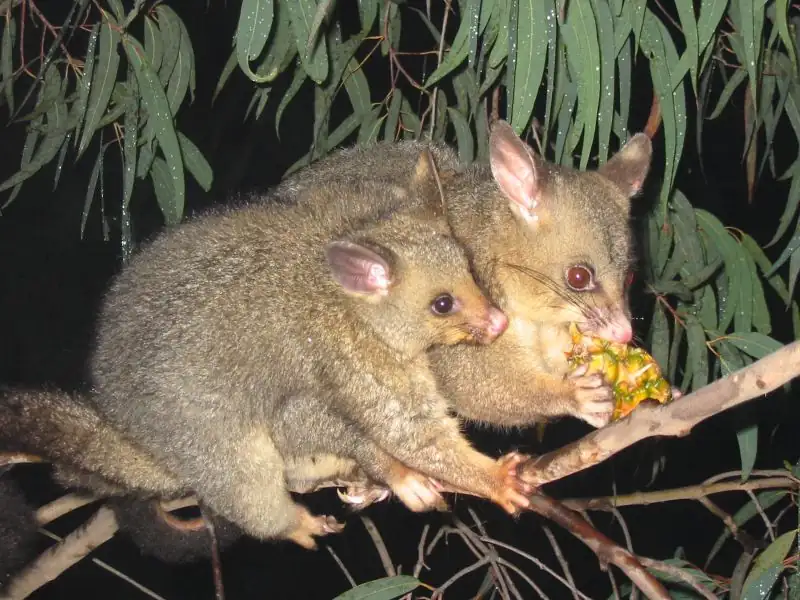
Ringtail possum removal is often a different problem entirely. Ringtails are smaller, lighter, and more likely to use dense garden cover, pergolas, vines or drays, though they still enter roof spaces when convenient shelter is available. Correct species identification affects trap strategy, release planning, and what we recommend afterwards. If you misread a ringtail problem as a standard brushtail roof job, you can miss the habitat pattern driving the behaviour.
Possum in Roof Signs to Watch For
The most common possum in roof signs are scratching in the roof at night, heavy thumping above the ceiling, hissing or coughing sounds, urine odour after rain, and droppings near roof access points or downlight openings. Many households first search only after the noise becomes impossible to ignore, but the sound pattern itself is usually highly distinctive.
If you are unsure whether the sound is a possum, rat, bird or something else, our guide to possum noises at night breaks down the difference between scratching, scurrying, thumping and territorial calling so you can describe the issue more accurately when booking. Not sure if it is a possum or rat? Our possum vs rat comparison covers the five key differences.
Why It Matters
Why You Can't Ignore a Possum in Your Roof
Why You Can't Ignore a Possum in Your Roof
Possum Chewed Wiring
Possum chewed wiring is one of the most serious risks we find in occupied roof cavities. Once plastic cable sheathing is damaged, the fire risk rises sharply, especially in older homes and hot summer roof spaces.
Possum Urine Insulation
Possum urine insulation damage destroys thermal performance, creates odour, and often drives mould growth through the surrounding ceiling space. Wet, contaminated batts rarely recover and usually need replacement.
Possum in Roof Damage
Possum in roof damage compounds over time. Staining, droppings, nesting debris, damaged vent lines and repeat entry all become harder and more expensive to resolve the longer the den site stays active.
Health & Contamination Risk
Droppings and urine can carry bacteria including Leptospira and Salmonella. In homes with open ceiling cracks or poorly sealed downlights, contamination risk is not confined neatly to the roof cavity.
Sleep Deprivation
Scratching in the roof at night, territorial thumping, and repeated possum noises between late evening and early morning can quickly become a serious quality-of-life issue for the household.
Property Value Impact
Urine stains, odour, insulation damage, and visible entry points are routinely flagged in inspections. What starts as a wildlife issue often becomes a building presentation and saleability issue as well.
How Much Does Possum Removal Cost?
Possum removal cost usually starts from $220 for a straightforward single-possum job with standard access. Pricing increases where there are multiple possums, more difficult roof access, repeat trap nights, or follow-up proofing and repairs. If you want a detailed breakdown of how much does possum removal cost across different job types, see our possum removal pricing guide.
Step by Step
How Does Possum Removal Work?
Every job follows the same licensed, compliant, and humane process. This step-by-step structure is what separates professional wildlife removal Australia operators from general pest callouts.
Inspection, Species Check & Quote
We inspect the roof cavity, perimeter, entry points, and likely movement routes to confirm whether you need a standard possum removal service, a more complex roof access job, or follow-up proofing and repairs. We identify the species, estimate numbers, and issue a written quote before work begins.
Licensed Possum Trap Placement
We position an approved possum trap in the most effective legal location based on how the animal is entering and denning. Trap placement is driven by species behaviour, access path, and state licence conditions rather than guesswork.
Daily Monitoring Under Wildlife Law
Every trap is checked within the legal timeframe. This is one of the biggest differences between a lawful operator and a rogue one. You receive updates, and no possum is left sitting unattended in a cage beyond the permitted period.
Humane Possum Relocation Within Home Range
Captured possums are released at dusk within their home range in line with state law. In NSW, that includes the 150 metre release rule, which is a detail many homeowners and unlicensed operators get wrong. We do not dump possums far away or invent our own relocation logic.
Proofing, One-Way Exit, and Follow-Up
Once the roof is confirmed clear, we recommend proofing and can install a one-way exit where needed before final sealing. That prevents the same possum or the next one from reclaiming the cavity through the same weak point.
Possum Removal Across Australia
We have dedicated local teams in Sydney, Melbourne, Brisbane, and Perth, with same-day response in all four cities.
Sydney
View Sydney Page →
Melbourne
View Melbourne Page →
Brisbane
View Brisbane Page →
Perth
View Perth Page →
Not sure if we cover your suburb? Call 1800 482 916
Why Choose Our Possum Removal Service
We are wildlife specialists, not general pest controllers. Here is what sets our possum removal service apart.
Licensed Wildlife Technicians
Every technician holds current wildlife authority credentials, not just a general pest licence. That matters for compliance, handling, and release law in every state.
Same-Day Response
We answer calls 7 days a week and prioritise urgent roof-noise and contamination cases, with same-day inspections available across the four major cities we cover.
100% Humane Methods
We use approved cage traps and lawful release methods only. No poison, no kill traps, and no pseudo-removal shortcuts that breach wildlife law.
Written Quotes — No Surprises
You receive a written quote before work starts. If proofing or repairs are needed as well, that scope is explained clearly rather than appearing as a surprise later.
6-Month Proofing Guarantee
Where we also complete the sealing work, all confirmed entry-point proofing is backed by a written 6-month guarantee.
Full Wildlife Resolution
We can coordinate removal, proofing, possum box placement, and damage advice in one service path, which is far more effective than treating the trap as the whole solution.
Possum Removal — Frequently Asked Questions
How much does possum removal cost?
Possum removal cost usually starts from around $220-$280 for a straightforward single-possum job with standard roof access. More complex jobs increase from there based on trap nights, access difficulty, proofing scope, and whether repairs are needed after the animal is out.
Is it legal to remove possums yourself?
No, in most cases it is not legal to remove possums yourself without the correct wildlife authority. Possums are protected native animals — see our guide on are possums protected in Australia for the full legal breakdown by state. Trapping, relocating or harming them outside the law can lead to prosecution as well as a failed outcome for the animal.
How long does possum removal take?
Most possum removal jobs take between 3 and 5 days from first inspection to final sealing recommendation, though some single-possum jobs resolve faster and some multi-possum or difficult-access jobs take longer. The timeline depends on how quickly the possum enters the trap, how many animals are present, and whether proofing is completed straight after removal.
Will the possum come back after removal?
Yes, the possum can come back after removal if the entry point is left open. That is why removal alone is only part of the solution. Once the animal is out, the roof needs proofing or another possum can use the same gap and restart the problem quickly.
Can I seal the possum out without trapping it first?
No, you should not seal the possum out without first confirming the roof is empty or using a lawful one-way exit approach. If you trap the animal inside, it may shred insulation, chew wiring, and die in the roof, creating a much worse contamination and odour problem.
Do you cover possum removal near me?
Yes, we cover possum removal near you if you are in greater Sydney, Melbourne, Brisbane, or Perth and many surrounding areas. The fastest way to confirm availability is to call with your suburb so we can advise on timing, coverage, and the likely service path for your location.
Get Your Possum Removed Today
Do not spend another sleepless night listening to scratching in the roof. Our licensed team is available now for same-day possum removal across Sydney, Melbourne, Brisbane, and Perth.
Licensed · Insured · Same-Day Service · Written Quote Always Provided